
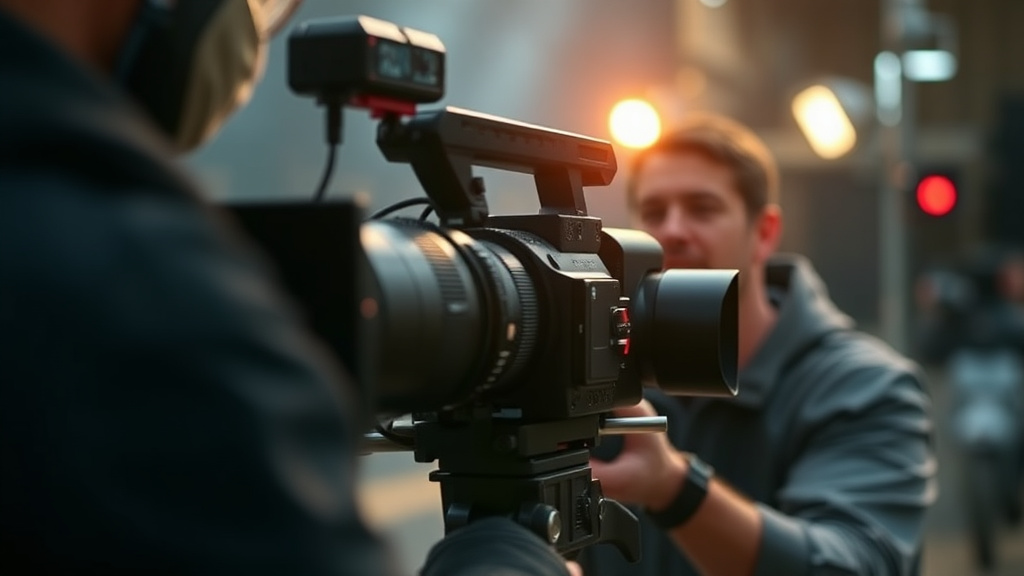
In modern cinematic landscape, visual storytelling has become a creative discipline that transcends traditional narrative techniques. Prominent filmmakers are unveiling advanced filming techniques that transform how audiences experience films, from creative shot composition to sophisticated lighting strategies. This article examines the sophisticated methods that filmmaking professionals employ to produce engaging cinematic moments, revealing the technical secrets behind unforgettable on-screen moments. Discover how contemporary directors leverage technology and creative vision to enhance narrative depth and engage audiences like never before.
Understanding Lighting and Shadows in Modern Cinema
Light and shadow stand as the fundamental pillars of film narrative, yet modern directors are pushing these classical elements into unprecedented territories. Contemporary cinematographers utilize advanced lighting technologies, including LED lighting and intelligent lighting systems, to create dynamic visual narratives that align with narrative moments. By adjusting lighting balance and shadow placement, directors build emotional resonance and direct audience focus with meticulous control. These approaches elevate ordinary scenes into striking visual sequences that linger well beyond the credits roll.
The relationship between light and darkness acts as a striking narrative device in current filmmaking. Directors intentionally utilize chiaroscuro lighting to highlight character psychology, ethical complexity, and narrative intricacy. Strong contrast lighting can heighten tension during intense scenes, while gentler, diffused light fosters intimacy and vulnerability. Contemporary cinematography demonstrates that mastering these fundamental elements requires both technical proficiency and creative sensibility, allowing directors to express subtext without dialogue and enhance storytelling through visual means alone.
Sophisticated color correction tools have transformed how directors shape lighting and darkness in post-processing. Digital filming technology permits filmmakers to fine-tune lighting nuances frame-by-frame, establishing consistent aesthetic approaches that enhance story development. Directors now partner with color specialists to define specific color palettes that amplify emotional arcs and thematic elements. This precise management over luminosity, shadow, and hue has become essential to crafting visually striking films that stand apart in current film industry.
The advancement of camera sensors and lighting technology has made accessible complex cinematographic approaches formerly accessible only to large-scale projects. Smaller crews can now produce film-grade illumination that rival major studio movies, allowing solo creatives to match the visual quality with studio productions. Understanding the relationship between light, shadow, and sensor technology empowers today’s content creators to make informed creative choices that enhance their visual communication abilities and connect authentically with audiences.
Dynamic Camera Movement and Composition Strategies
Dynamic camera movement serves as a fundamental pillar in contemporary filmmaking, enabling filmmakers to direct audience focus and strengthen the pace of storytelling. By carefully placing the camera and executing deliberate movements, filmmakers create visual rhythm that aligns with narrative moments and emotional depth of performances. Modern filmmakers increasingly use advanced technology and techniques to achieve smooth, purposeful camera work that enhances audience engagement and establishes immersive cinematic worlds.
Innovative Tracking and Crane Techniques
Sophisticated motion tracking systems allow cinematographers to perform sophisticated camera maneuvers with accuracy and smoothness formerly unfeasible to achieve. Drone innovations, mechanical camera rigs, and steadicam innovations enable filmmakers to move through complex spatial settings while maintaining sharp focus and exposure. These techniques facilitate elaborate single-take sequences that strengthen visual continuity, creating moments of remarkable cinematic moments that captivate audiences and demonstrate technical mastery within the frame.
Crane movements offer directors with effective techniques for creating sense of scale, exposing setting details, and moving across story beats with cinematic impact. By elevating or descending camera positions, cinematographers establish compelling spatial dynamics that emphasize character isolation or link to setting. Modern crane technology provides exceptional precision over speed and trajectory, letting cinematographers to craft sweeping visual statements that strengthen emotional impact and enhance thematic resonance throughout their films.
Framing Strategies for Emotional Impact
Frame composition profoundly affects how audiences emotionally respond to film sequences, with cinematographers deliberately positioning subjects within the frame to express mental conditions and thematic weight. Techniques like open areas, layered depth, and asymmetrical balance produce compositional dynamics that engages viewers on subconscious levels. Master cinematographers leverage these approaches to transform simple scenes into compelling emotional journeys, using frame composition as a advanced cinematic vocabulary.
Third-rule applications, directional lines, and geometric patterns guide viewer perception while establishing visual hierarchy within scenes. Modern filmmakers experiment with unconventional framing choices—tight close-ups, altered perspectives, and asymmetrical compositions—to disrupt standard audience expectations. These creative techniques create distinctive visual signatures while strengthening viewer engagement to characters and themes, demonstrating how thoughtful composition transcends technical execution to serve as vital storytelling.
Color Grading and VFX Integration
The Art of Color Timing in Current Cinema
Color grading has developed as a fundamental pillar of contemporary filmmaking, transforming raw footage into compelling visual stories. Modern directors understand that color is not merely an aesthetic choice but a potent narrative instrument that influences audience emotion and perception. Through precise color calibration and creative grading, cinematographers create ambiance, underscore thematic content, and direct audience focus across the frame. Advanced grading software enable filmmakers to achieve unprecedented control over color schemes, developing consistent visual approaches that enhance thematic content throughout complete projects.
Leading cinematographers apply sophisticated color grading techniques to establish distinctive visual signatures for their films. By manipulating color temperature, saturation, and contrast, directors build psychological depth that deepens character development and plot progression. Color grading also maintains uniformity across varying lighting conditions and camera setups, sustaining visual continuity throughout complex shooting schedules. The strategic use of palette choices—whether warm hues for intimate moments or cool tones for tension—becomes an invisible narrative device that audiences subconsciously absorb, enriching their emotional connection to the story.
Effortless Visual Effects Integration
Visual effects integration has grown inseparable from contemporary cinematography, demanding seamless coordination between practical and digital elements. Modern directors carefully blend practical effects with CGI, generating hybrid visuals that preserve realism while broadening creative possibilities. This blending starts during pre-production phase, where cinematographers and visual effects supervisors align their visions to confirm effects strengthen rather than overshadow the narrative. By designing camera movements, lighting, and composition with effects in mind, filmmakers achieve cohesive results that seem organic and immersive to audiences.
Sophisticated visual effects empower directors to achieve bold artistic concepts while maintaining photorealistic quality that audiences require from today’s films. Advanced motion capture technology, real-time rendering, and AI-assisted effects have fundamentally changed how filmmakers handle complicated shots. By weaving effects during principal photography rather than as post-production afterthoughts, directors accomplish improved visual uniformity and storytelling power. This integrated approach between cinematography and visual effects departments ensures that each shot serves the story, producing fluid visual journeys that transport audiences into meticulously crafted worlds.
Future Innovations in Video Post-Production
Emerging technologies are poised to further revolutionize color correction and visual effects integration in forthcoming years. Virtual production techniques, leveraging real-time rendering technology and LED volume stages, permit directors to preview finished shots on set rather than postponing until post-production work. These innovations enable creative decisions to occur more quickly and more efficiently, reducing shooting schedules while broadening creative possibilities. Machine learning systems are increasingly aid color correction processes, evaluating video content and recommending ideal color grades grounded in narrative needs and aesthetic preferences defined by cinematographers.
The intersection of cinematography and post-production technology is blurring traditional boundaries between production stages. Advanced AI tools now help seamlessly integrate practical and digital elements, automatically matching lighting, shadows, and reflection details with remarkable accuracy. Cloud collaboration systems enable geographically dispersed teams of colorists, effects artists, and directors to collaborate in real time across international locations. As these tools advance, cinematographers gain unprecedented creative freedom to try out visual narrative methods, ultimately producing increasingly immersive and emotionally compelling films that engage contemporary viewers.
