
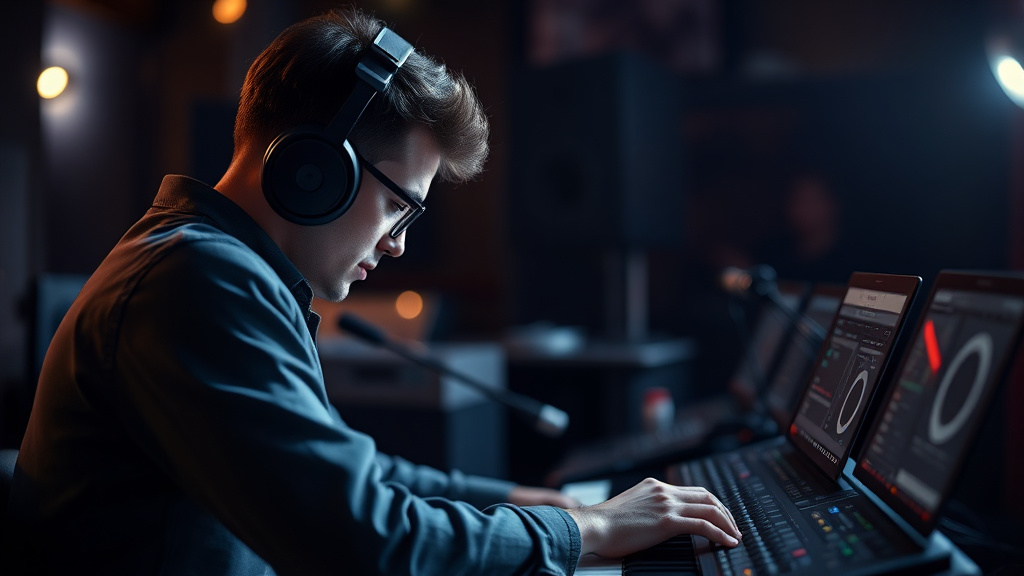
The music creative sector is experiencing a revolutionary transformation. Artificial intelligence tools are democratizing music composition and beat creation, empowering producers of every experience level to produce studio-standard music without extensive training periods. From intelligent chord progressions to AI-generated drum patterns, these cutting-edge technologies are changing how musicians create. This article investigates the most innovative AI music tools available today, looking at how they enhance creativity, accelerate workflow, and provide high-fidelity output that compete with standard production methods.
Artificial Intelligence-Driven Rhythm Creation and Music Production
Artificial intelligence has reshaped the rhythm production process, allowing producers to develop intricate rhythmic sequences with exceptional efficiency. Intelligent algorithms examine millions of current songs to grasp musical structures, timing, and groove characteristics. These smart technologies can generate fresh percussion sequences, basslines, and percussion arrangements customized for distinct music genres. Whether you’re making hip-hop, dance music, or pop, AI tools instantly adapt to your creative goals, significantly reducing production time while preserving professional quality standards.
The incorporation of AI into music production workflows has fundamentally changed how professionals handle compositional work. Machine learning models trained on extensive music libraries can recommend complementary elements, chord progressions, and layering techniques that boost overall audio quality. Producers now utilize these intelligent assistants to surpass creative limitations, try out non-traditional audio, and speed up production timelines. This technology democratizes professional-level production capabilities, allowing self-produced creators and up-and-coming producers to rival professional studios and major label releases.
Intelligent Drum Pattern Creation
Modern AI drum generators examine complex rhythmic patterns across various musical genres and styles to produce authentic, groove-oriented drum sequences. These systems recognize nuances like swing timing, ghost notes, and tonal variation that distinguish professional productions from inexperienced efforts. Users can define tempo, musical genre, complexity level, and preferred feel, with AI instantly generating customized drum patterns. The technology adjusts to user preferences through machine learning, progressively enhancing suggestions based on feedback and editing choices made throughout the creative workflow.
AI-powered drum creation tools provide unprecedented flexibility and control over percussion elements. Producers can create multiple variations of a single pattern, examining different rhythmic approaches without manually programming each element. These tools integrate seamlessly with digital audio workstations, allowing immediate playback and modification. Advanced features include humanization algorithms that add natural timing imperfections, velocity variations, and swing elements that make programmed drums sound natural and genuine, rivaling live percussion recordings.
Song Composition Guidance
AI melody creation tools leverage machine learning models developed from classical, contemporary, and genre-specific music to create captivating melodies and harmonic progressions. These platforms grasp basic music theory while expanding creative possibilities through unexpected note combinations and complex harmonic structures. Producers input their preferred key, scale, mood, and duration, getting multiple melodic options instantly. The system detects emotional tone and creates melodies that complement existing drum patterns, bass lines, and harmonic elements already present in the production.
Advanced AI composition assistants help producers create catchy melodic phrases, harmonic sequences, and instrumental melodies that resonate with listeners. These tools analyze successful tracks across specific music styles, identifying patterns that drive engagement and emotional resonance. Users can refine computer-created ideas through user-friendly platforms, modifying melodic contours, timing values, and harmonic complexity. This collaborative approach between human creativity and AI technology produces complex musical pieces that showcase professional musicianship while maintaining the producer’s unique artistic identity and artistic direction.
Enhanced Features and Functionality
Thoughtful Composition and Positioning
Modern AI audio software leverage deep learning models to examine thousands of professionally produced tracks, enabling them to generate chord progressions, melodies, and orchestrations that sound naturally musical. These platforms comprehend harmonic theory and modern production styles, intelligently recommending harmonic additions that enhance the final mix. Producers can input their desired mood, genre, and tempo, enabling the system to create several versions instantly. This smart methodology removes repetitive arranging tasks while keeping artistic control and creative freedom throughout the creation workflow.
Live Adjustment and Optimization
Advanced AI platforms offer remarkable flexibility through real-time customization features that respond to producer preferences immediately. Users can modify settings such as instrumentation, complexity levels, and stylistic elements while the AI reprocesses the entire piece accordingly. Machine learning algorithms learn from each adjustment, progressively understanding the producer’s distinctive creative direction and preferences. This dynamic exchange process creates a collaborative experience where technology enhances rather than replaces human creativity, allowing producers to discover countless sonic possibilities within minutes rather than hours.
Professional-Grade Audio Production
Intelligent audio mastering and mixing tools now deliver professional-grade sound processing that once demanded high-end gear and skilled professionals. These smart tools analyze frequency distributions, tonal dynamics, and loudness levels, intelligently adjusting tracks across different playback environments. Neural network models built from expert-mastered audio guarantee uniform professional-grade audio throughout every project, democratizing access to industry-standard quality for solo artists and small studios.
