
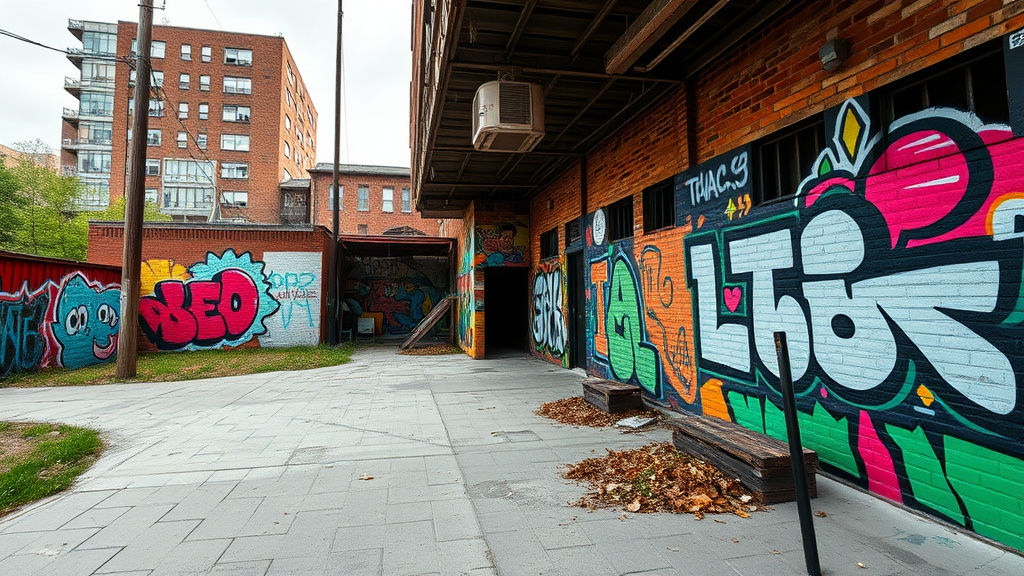
In forgotten corners of cities around the globe, vibrant murals and bold installations are revitalizing into neglected communities. Street art has emerged as a transformative agent for urban transformation, converting deteriorating structures and overlooked areas into galleries of cultural expression. This article examines how artists are reclaiming forgotten communities, building community identity, attracting investment, and amplifying underrepresented perspectives—proving that creativity and paint can revitalize areas more effectively than conventional urban planning. Discover the inspiring stories behind this creative movement.
The Rise of Street Art as Community Catalyst
From Destruction to Acceptance
Street art has undergone a remarkable transformation from its underground roots to become a acknowledged and respected form of creative output. What was once rejected as graffiti is now acknowledged as a legitimate art form that requires exceptional skill, vision, and community consciousness. This shift in perception has paved the way for artists to collaborate with communities, local governments, and organizations, transforming neglected surfaces into masterpieces that express the identity and values of neighborhoods.
The recognition of street art has generated unprecedented opportunities for creative professionals. Artists who once created in secrecy now get hired from municipalities and businesses seeking to revitalize urban spaces. This transition has positioned street art from illegal activity to public resource, attracting investment to districts long neglected by commercial entities. The cultural respect now afforded to street artists has reshaped how cities approach community revitalization and cultural growth strategies.
Establishing Local Pride and Community Spirit
Street art functions as a visual medium that speaks directly to local populations, celebrating their history, challenges, and aspirations. When community members see their stories reflected in striking artworks and artistic displays, a powerful sense of connection and pride emerges. These creations become symbols of neighborhood identity, creating bonds between varied groups and establishing common cultural references that bring communities together across generational and socioeconomic differences.
The presence of meaningful street art substantially influences residents’ emotional connection to their communities. Communities adorned with carefully designed, culturally significant murals report increased civic engagement and community pride. These visual transformations motivate people to engage more fully in their communities, resulting in better upkeep of public spaces, higher pedestrian activity, and greater community bonds. Street art effectively serves as the voice for underrepresented communities.
Economic Revitalization By Way Of Creative Endeavors
Street art draws visitors, media attention, and economic activity to long-neglected areas. Neighborhoods changed by artistic initiatives experience higher visitor numbers, with visitors actively looking for famous murals and art installations. This surge in visitors supports local businesses, from cafes and restaurants to specialty retailers and galleries. The economic benefits extend beyond immediate tourism, as property values often increase in revitalized neighborhoods, opening up opportunities for lasting community prosperity.
The economic impact of street art encompasses employment generation and entrepreneurial opportunities. Artists secure work through commissioned projects, workshops, and collaborative projects, while entrepreneurs create galleries, studios, and creative businesses in renewed areas. Cities funding street art programs report measurable returns through greater tax collection, lower vacancy levels in commercial properties, and lower crime rates in transformed neighborhoods. This illustrates that art funding provides tangible economic benefits alongside cultural value.
Economic and Cultural Influence of City Wall Art
Revitalizing Local Economies
Street art has demonstrated itself as a significant economic catalyst in abandoned neighborhoods, bringing tourism and business investment. Colorful murals bring people to historically underserved areas, boosting foot traffic to neighborhood shops, restaurants, and galleries. Home values in communities with notable street art installations have shown measurable increases, encouraging property owners to commit to renovations and improvements. This economic revitalization creates employment opportunities for local residents and helps small businesses that thrive in culturally dynamic environments.
Beyond immediate tourism benefits, street art fosters entrepreneurial ventures within communities. Local artists gain recognition and commercial opportunities through commissioned murals and gallery shows. Young entrepreneurs establish creative businesses including art supply shops, cafes, and creative spaces that address the needs of the expanding artist population. These economic developments produce tax income for municipalities while reducing the financial burden of maintaining abandoned properties, creating a sustainable cycle of growth and community prosperity.
Creating Community Identity and Belonging
Urban murals function as meaningful expressions of community identity, showcasing the cultural heritage and principles of neighborhood residents. When communities participate in artistic projects, they build deeper bonds to their local areas and greater community involvement. Street art celebrates community histories, pays tribute to important leaders, and amplifies marginalized voices that traditional institutions often overlook. This inclusive approach fosters a sense of ownership and connection among residents who witness their stories and cultural identities clearly displayed on neighborhood walls.
The presence of colorful public murals substantially influences residents’ psychological well-being and neighborhood perception. Areas featuring notable street art report stronger social cohesion and decreased sense of dilapidation. Street art displays serve as meeting points where neighbors interact, collaborate, and celebrate common artistic traditions. This strengthened neighborhood unity translates into greater community involvement, volunteer engagement, and collective efforts to preserve and enhance community areas, creating neighborhoods where residents feel invested in their surroundings.
Social Movements and Advocacy Through Art
Street art acts as a compelling medium for community activism and political messaging, allowing communities to raise awareness about structural inequalities and injustices. Murals addressing social issues—including excessive force, environmental degradation, and wealth inequality—generate meaningful discussions and raise awareness among diverse audiences. Artists leverage public walls as stages to question prevailing perspectives and advocate for legislative reform, making activism available to populations with constrained exposure to conventional channels outlets. This democratic form of communication enables residents to engage in grassroots movements.
The profound influence of community-based street art extends beyond surface-level appearance, driving real-world community engagement and systemic policy shifts. Neighborhoods featuring community-focused artwork often witness heightened civic engagement, voter registration drives, and public awareness efforts. These artistic expressions acknowledge neighborhood issues while gaining press coverage and backing from outside groups. Street art serves as a driver of institutional transformation, demonstrating that creative expression can energize civic participation toward substantive community advancement and enhanced community wellbeing.
Maintaining Street Art While Helping Independent Artists
Documentation and Legal Protection
Protecting street art requires creative strategies that balance artistic liberty with public concerns. Digital archiving through photographic records, video capture, and three-dimensional scanning confirms that ephemeral pieces gain lasting presence in digital space. Many cities now establish legal frameworks recognizing street art as authentic heritage assets, defending murals from demolition or damage. Arts venues increasingly archive street art collections, raising these pieces to fine art standing. This acknowledgment validates artists’ contributions while creating historical records that highlight urban evolution and cultural development over time.
Legal protection mechanisms have grown considerably across urban centers. Some municipalities provide artists with sanctioned licenses and commissioned work, converting street art from underground movement into sanctioned public expression. Heritage designations prohibit building demolition and removal of walls, protecting iconic murals. Collaborative agreements between property owners and art creators establish maintenance schedules, ensuring artworks remain vibrant and prominent. These protective measures illustrate how cities can honor street art’s cultural significance while offering artists consistent opportunities, steady income, and recognition for their creative contributions to city revitalization.
Economic Opportunities for Street Artists
Street artists increasingly gain access to legitimate economic pathways through gallery representation, public projects, and corporate collaborations. Cities worldwide now set aside funding specifically for mural initiatives, engaging local artists to improve public environments while producing earnings. Corporate sponsorships and nonprofit grants finance major art installations, creating employment opportunities that maintain creative employment. Art festivals and community events provide platforms for artists to display their art, offer goods, and build professional networks. These revenue streams transform street art from informal hustle into established career, attracting talented individuals and ensuring local beautification initiatives directly support local artists.
Educational programs bolster artists’ economic prospects by building entrepreneurial and promotional expertise alongside artistic talent. Workshops provide instruction on portfolio building, grant writing, and negotiating contracts, empowering artists to navigate professional opportunities effectively. Mentorship programs connect up-and-coming street artists with established professionals, enabling sharing expertise and professional growth. Some neighborhoods set up artist collectives and workspaces, supplying affordable workspace and shared negotiating strength. These comprehensive support systems create enduring professional paths, allowing artists to continue living locally while creating vibrant artistic markets that create local economic value and inspire future generations.
Community Involvement and Cultural Continuity
Successful street art conservation depends fundamentally on community involvement and artistic custodianship. Local community members, community groups, and arts organizations work together to identify culturally important murals deserving protection and restoration. Community workshops inform community members about street art’s cultural background, creative methods, and artistic value, building understanding and ownership. Young people’s initiatives introduce young people to street art, channeling creative energy productively while creating intergenerational artistic bonds. These local programs ensure preservation efforts reflect community values, respect multiple artistic styles, and sustain true cultural representation rather than imposing external aesthetic standards.
Cultural preservation requires honoring street art’s roots in underrepresented populations while expanding avenues for rising creative talent. Platforms celebrating women artists, immigrants, and underrepresented minorities guarantee multiple perspectives define local cultural identity. Recorded interviews capture artists’ inspirations, creative approaches, and cultural effect, preserving priceless community heritage. Public festivals and milestone celebrations honor significant murals and artistic milestones, strengthening community pride. By meaningfully including residents in decisions about preservation and creative production, communities preserve authentic cultural expression while ensuring street art remains vibrant, welcoming, and strongly tied to the neighborhoods it enhances and reflects.
