
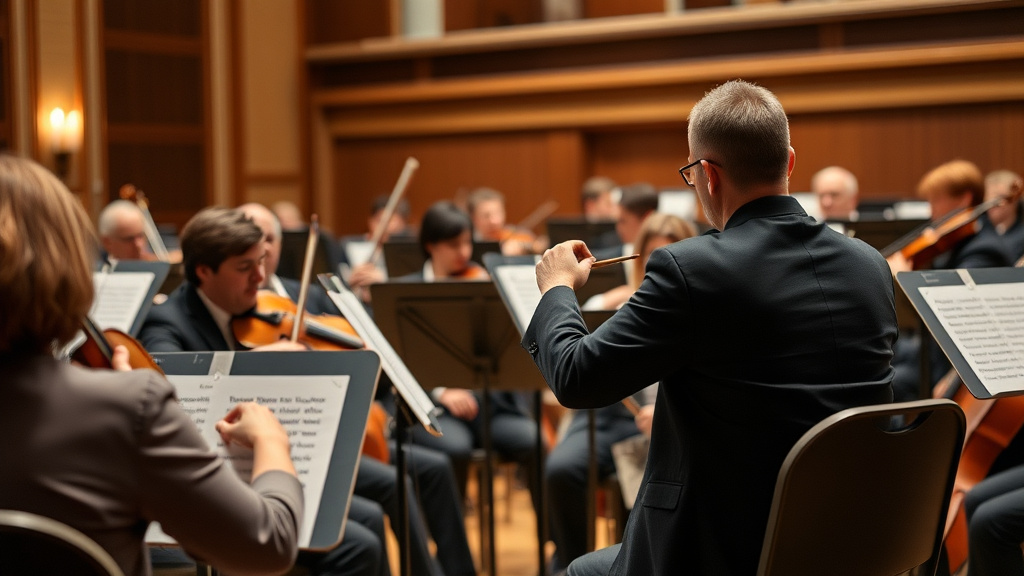
For centuries, classical orchestras have mesmerized audiences with enduring works, yet today’s performance venues face an unique obstacle: engaging modern listeners accustomed to online media and eclectic listening habits. Rather than clinging to tradition, progressive orchestras worldwide are rethinking their strategy—integrating visual technology, selecting diverse programming, and creating immersive concert experiences that celebrate classical legacy while speaking to contemporary sensibilities. This article explores how orchestras are linking between the past and present, ensuring that Beethoven and Bach remain relevant for future audiences.
Updating Performance Styles and Spaces
Classical orchestras are transforming their concert formats to draw in modern audiences wanting fresh experiences. Traditional lengthy concerts are being restructured into concise, curated sets lasting an hour to ninety minutes, allowing listeners to engage without fatigue. Many orchestras now blend narrative themes, pairing classical compositions with modern pieces, visual projections, and audience participation. Concert halls themselves are evolving, with some orchestras hosting shows in unconventional venues such as breweries, parks, and urban cultural centers, dismantling the formal barriers historically associated with classical music venues.
Digital transformation is reshaping how orchestras present classical music to varied audiences. Online concerts, VR concert experiences, and blended formats that merge in-person and online attendance have increased access significantly. Orchestras are also exploring varied seating configurations, casual dress codes, and introductory talks that demystify complex compositions. These adaptations acknowledge that modern audiences value convenience, inclusivity, and context—reimagining classical music from an elite cultural pursuit into an relatable, inviting creative medium that appeals to contemporary lifestyles and preferences.
Reaching Younger Generations Through Innovation
Today’s orchestras recognize that engaging younger listeners requires beyond conventional performance structures. Innovative musical groups are exploring visual projections, contemporary compositions alongside classics, and interactive pre-concert experiences that make accessible classical music. Venues are reimagining audience layouts, implementing adjustable admission prices, and conducting relaxed listening events in unconventional venues. Digital marketing initiatives and online distribution agreements extend orchestra reach outside traditional venues, introducing classical music to millions who might never attend a live performance otherwise.
Orchestras are also partnering with popular musicians and innovative performers to develop fusion performances that span varied musical traditions. Community education efforts now emphasize narrative elements and emotional resonance rather than complex technical elements, rendering classical music accessible to uninitiated listeners. By welcoming creative evolution without sacrificing creative authenticity, orchestras show that classical music continues to be vibrant and relevant. These strategic adaptations allow that the next generation experience the remarkable artistry of orchestral performance while cultivating dedicated listeners for the years ahead.
Integrating Technology into Digital Experiences
Today’s orchestras are employing state-of-the-art technology to improve live performances and connect with larger audiences. From high-definition streaming to VR-based concert experiences, orchestras now provide multiple pathways to interact with classical music. Digital platforms allow fans across the globe to access performances previously confined to geographic locations, democratizing access to world-class orchestral music and exposing classical repertoire to younger demographics who may never visit traditional concert halls.
Interactive concert applications and immersive digital features provide audiences with deeper engagement opportunities during performances. Numerous orchestral ensembles now provide smartphone applications that display performer backgrounds, composition details, and real-time score visualizations, enhancing the listening experience. These technological innovations don’t reduce the power of in-person concerts; instead, they complement it, creating immersive encounters that resonate with modern listeners while maintaining the authenticity and emotional impact that define classical music’s enduring appeal.
As orchestras maintain their adoption of digital transformation, they recognize that technology functions as a bridge rather than a replacement for traditional concert experiences. By thoughtfully integrating innovation with artistic integrity, orchestras guarantee classical music remains vibrant, accessible, and profoundly relevant for modern concert audiences worldwide.
